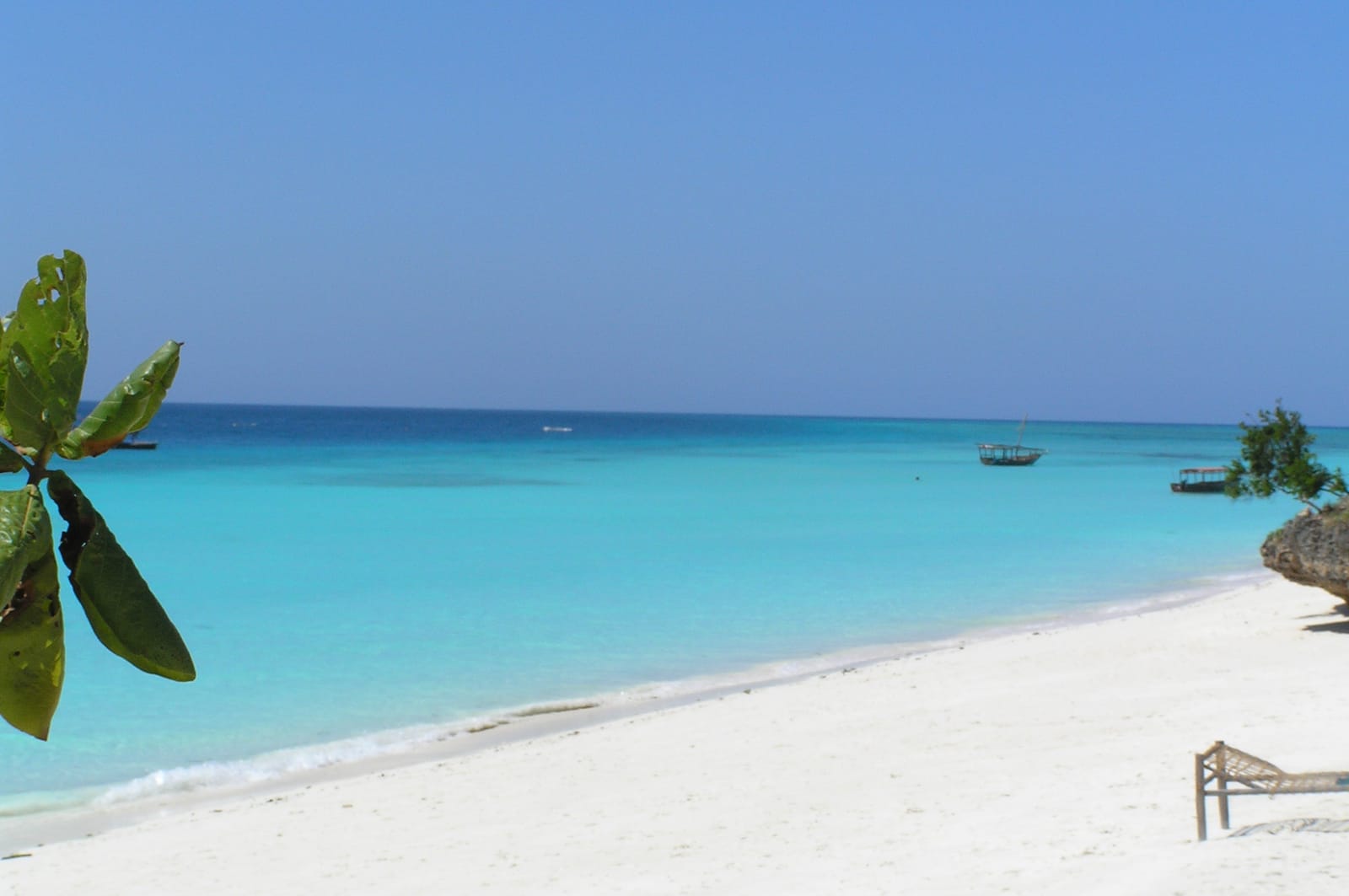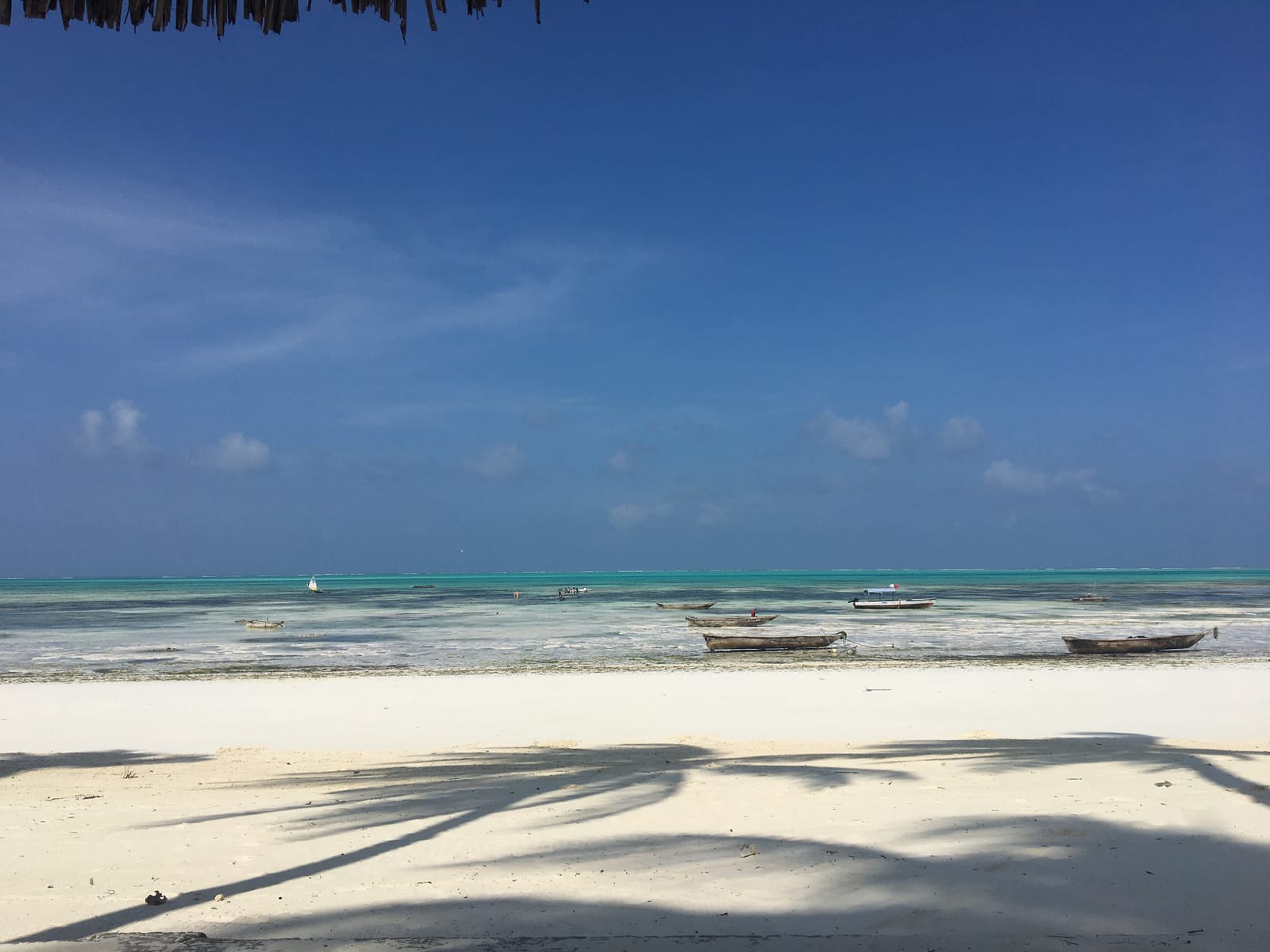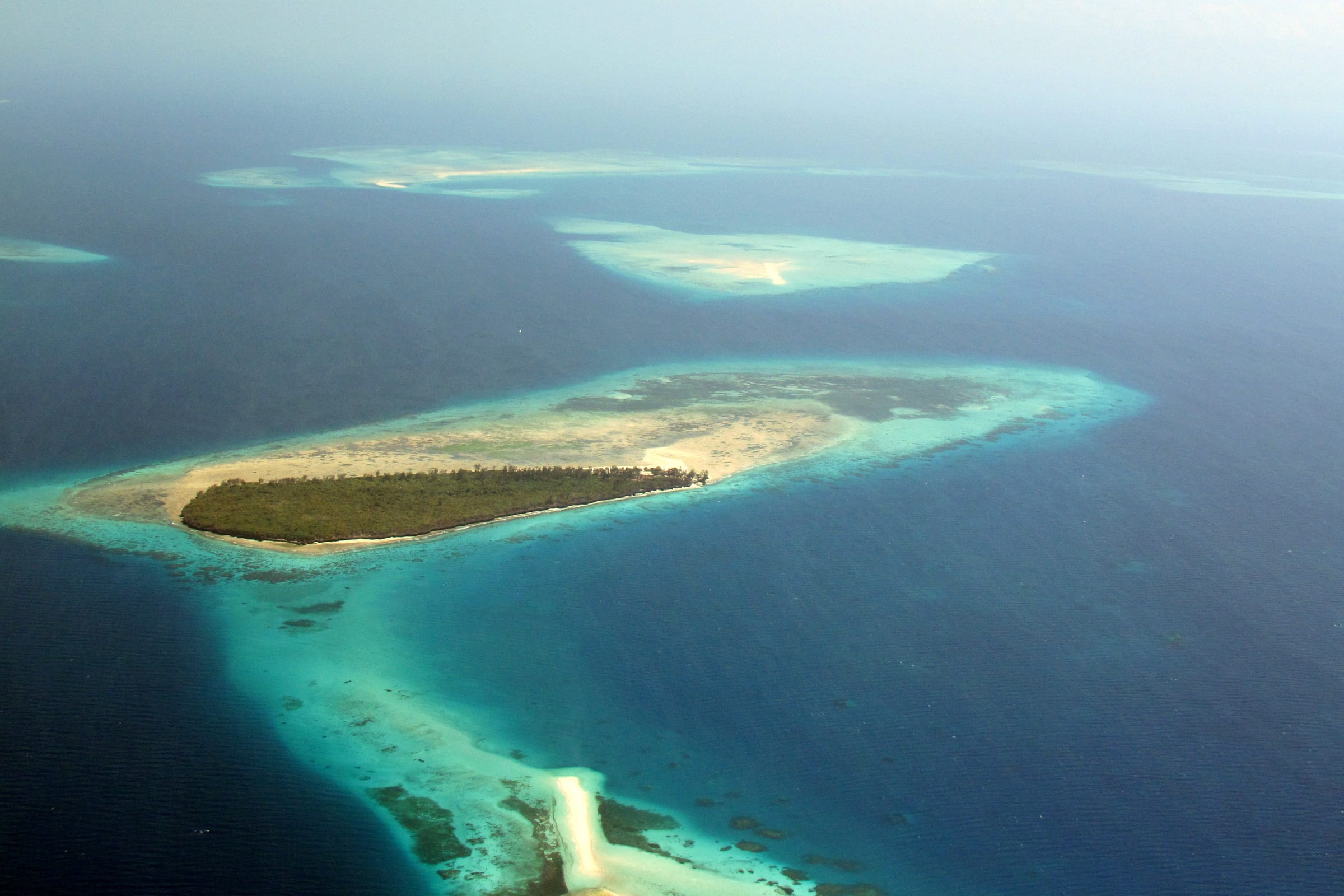
Nakupenda is not really a place. It is a shifting crescent of white sand a few kilometres off Stone Town that rises out of the sea as the tide falls, exists for four or five hours, and then goes under again. Nakupenda means “I love you” in Swahili, and for once the tourist name is the local one.
It sits inside the Nakupenda Beach Nature Conservation Area, a small marine reserve, and it is the classic Zanzibar boat morning: motor out from the Stone Town seafront, stop at Changuu for the tortoises, then anchor at the sandbank while the crew set up a grill on the sand.
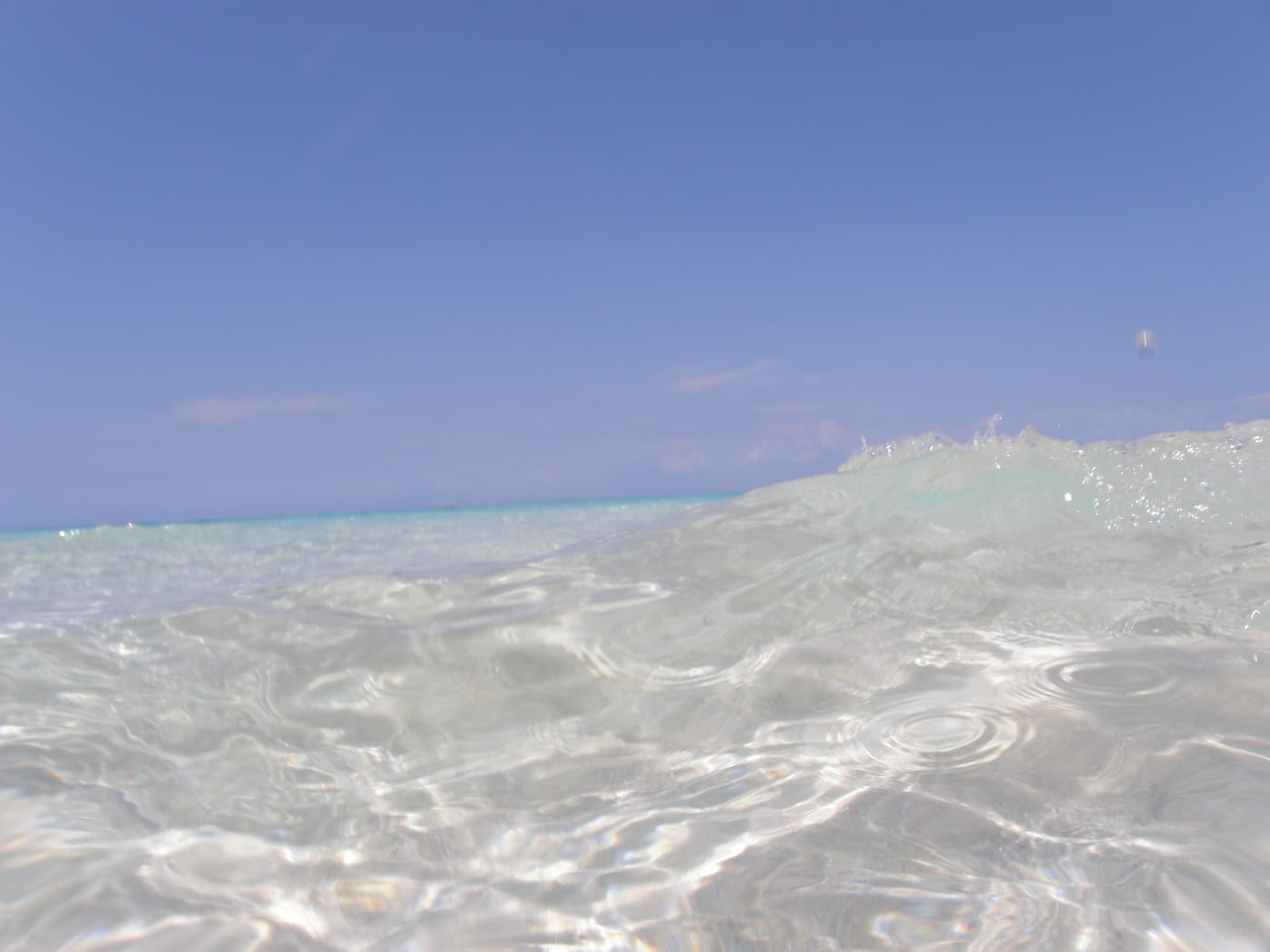
The water around it is waist-deep, bath-warm and full of red-knobbed starfish. There is no shade, no building and nothing to buy — which is precisely the appeal.
Top things to do at Nakupenda Sandbank
Swim and float
The shallows around the bar are as calm and warm as water gets. Most people spend two hours in it and come out reluctantly.
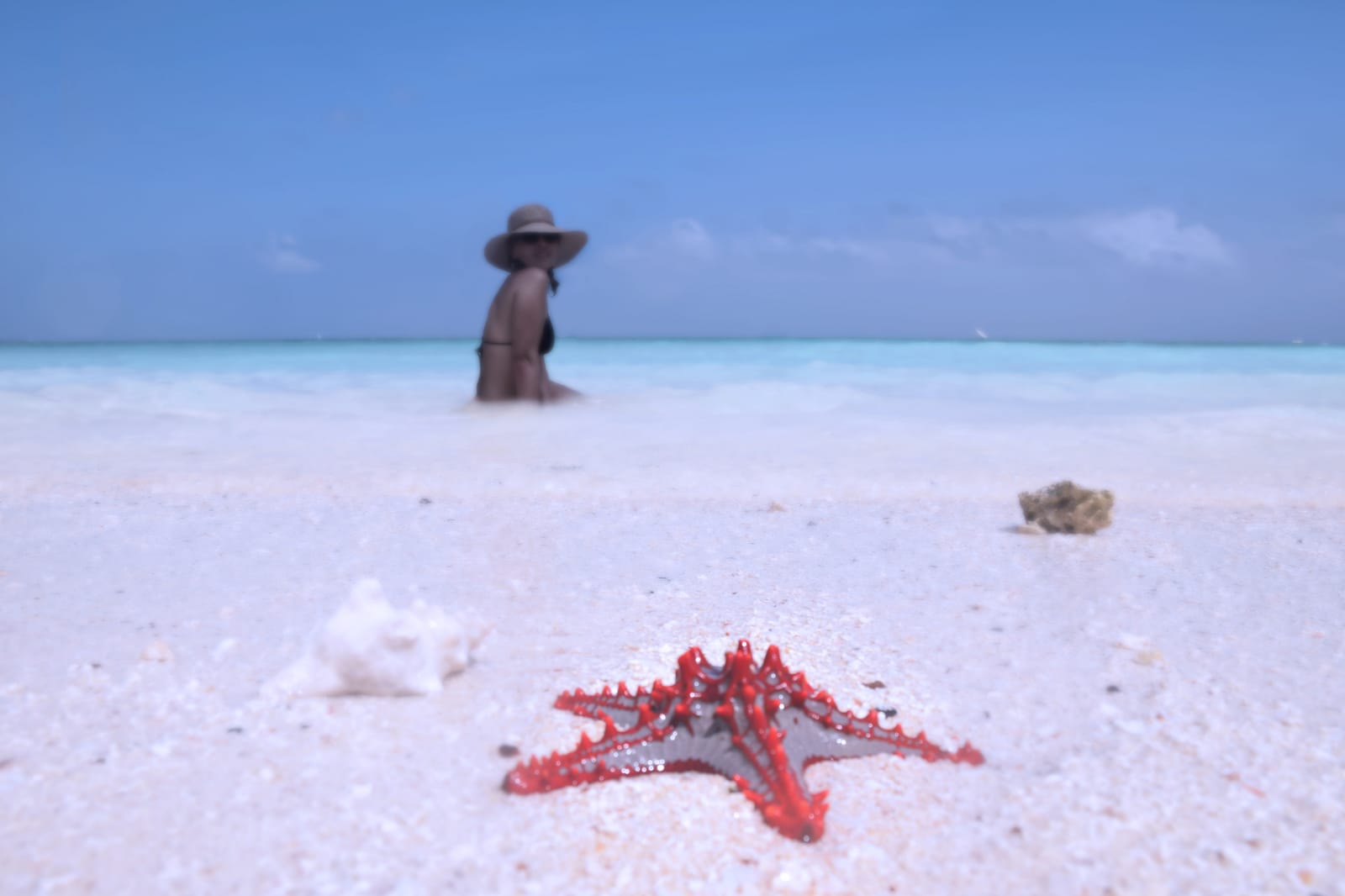
Look for starfish
Red-knobbed starfish are common in the shallows and sea urchins less welcome. Look, photograph, and leave them in the water — lifting a starfish into the air to pose with it kills it.
Seafood BBQ on the sand
The crew grill kingfish, prawns, calamari and lobster on the sandbank and serve it with rice, salad and fruit. It is the reason to pick a tour that includes lunch rather than the cheap version that does not.
Snorkel the reef edge
Several tours add a snorkel stop over the nearby reef on the way to or from the bar. Modest compared with Mnemba, but a good bonus.
How to get to Nakupenda Sandbank
- Boats leave from the beach beside Forodhani Gardens in Stone Town; the sandbank is roughly 30–40 minutes out.
- The sandbank only exists around low tide, so departure times shift daily with the tide table — your operator will confirm the pickup time the day before.
- A conservation-area fee applies per person. Check whether it is included in the tour price when you book.
Insider tips
- There is no shade on a sandbank in the middle of the Indian Ocean. Hat, rash vest and high-factor sunscreen are not optional.
- Take a dry bag. Boats are open, spray is constant, and there is nowhere to leave anything on the sand.
- Do not take starfish out of the water for photographs — it is fatal to them, and good guides will stop you.
- Combined Prison Island and Nakupenda trips cost only slightly more than either alone and are much better value.
Best tours & tickets for Nakupenda Sandbank
These top-rated experiences are the easiest way to enjoy Nakupenda Sandbank and its surroundings:
 Boat day trip from $42
 Stone Town, Prison Island & Nakupenda Sandbank with BBQ
Nakupenda means “I love you” in Swahili, and the sandbank that appears offshore at low tide earns the name. Boat out to Prison Island for the tortoises, then anchor at the sandbar for snorkelling and a grilled seafood lunch.
- Swim off the Nakupenda sandbank at low tide
- Seafood BBQ served on the sand
- Century-old tortoises and the old quarantine station
 Dhow day trip from $90
 Safari Blue: Blue Lagoon Snorkelling & Seafood Lunch
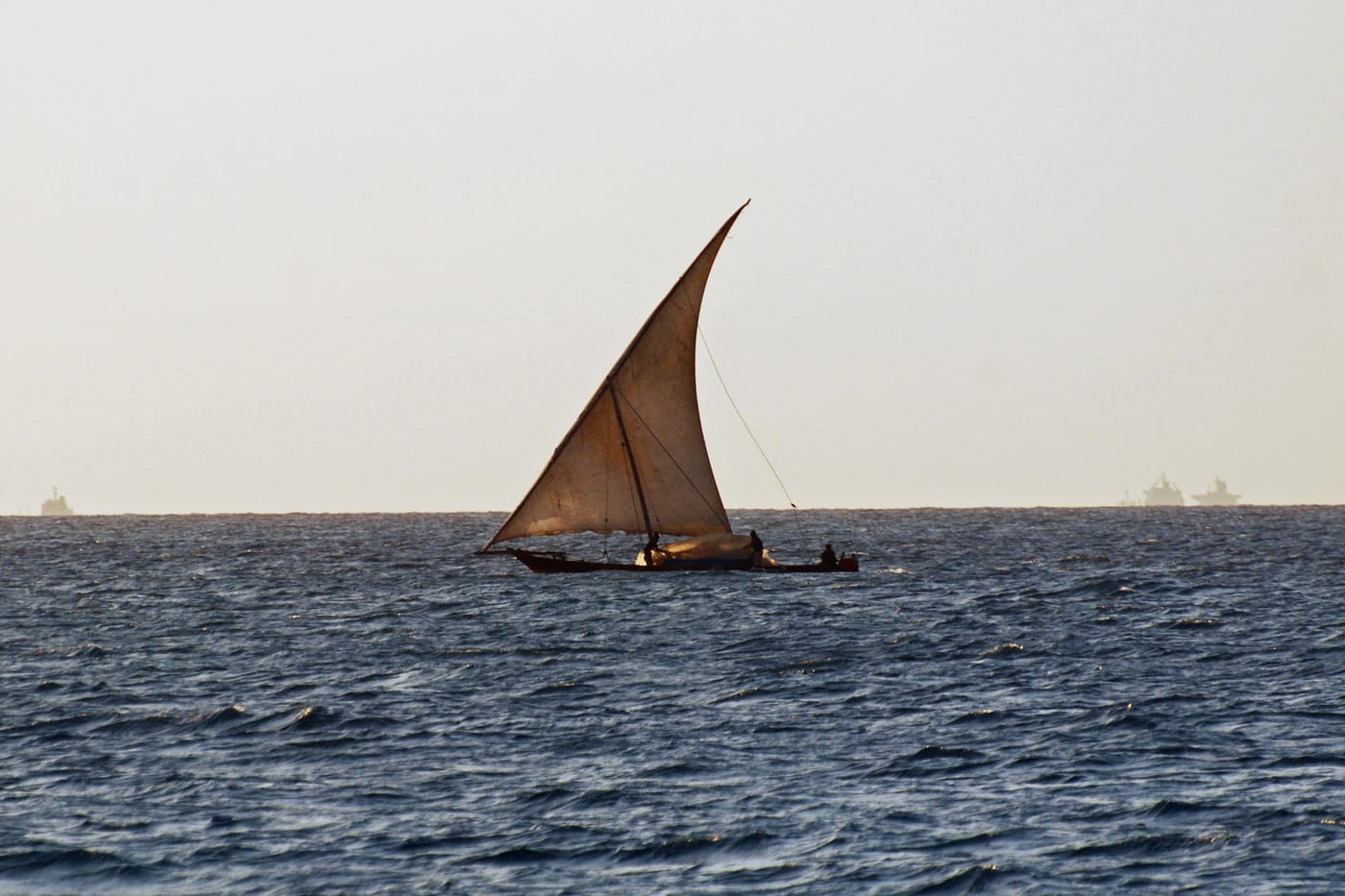
Zanzibar’s most famous boat day. A traditional dhow takes you across the Menai Bay conservation area to sandbanks, mangrove channels and the Blue Lagoon, with a long, unhurried seafood lunch in the middle of it.
- Sail a traditional dhow across Menai Bay
- Snorkel the coral gardens of the Blue Lagoon
- Seafood feast and tropical fruit on a sandbank
Where to stay near Nakupenda Sandbank
Compare hotels, guesthouses and beach resorts in this part of Unguja.
See hotels & prices →Nakupenda Sandbank FAQs
Frequently asked questions
Is the Nakupenda sandbank always there?
No. It appears as the tide falls and is submerged again as it rises, so trips are scheduled around the daily tide table. Departure times therefore change day to day.
Can you combine Nakupenda with Prison Island?
Yes — and almost everyone does. The standard boat day takes in Changuu for the tortoises and the sandbank for swimming and lunch, often with a Stone Town walk added on.
Is it suitable for children?
Very. The water is shallow and calm and the boat ride is short. The only real concerns are sun exposure and sea urchins, so bring reef shoes and plenty of shade for them.