Skip to content
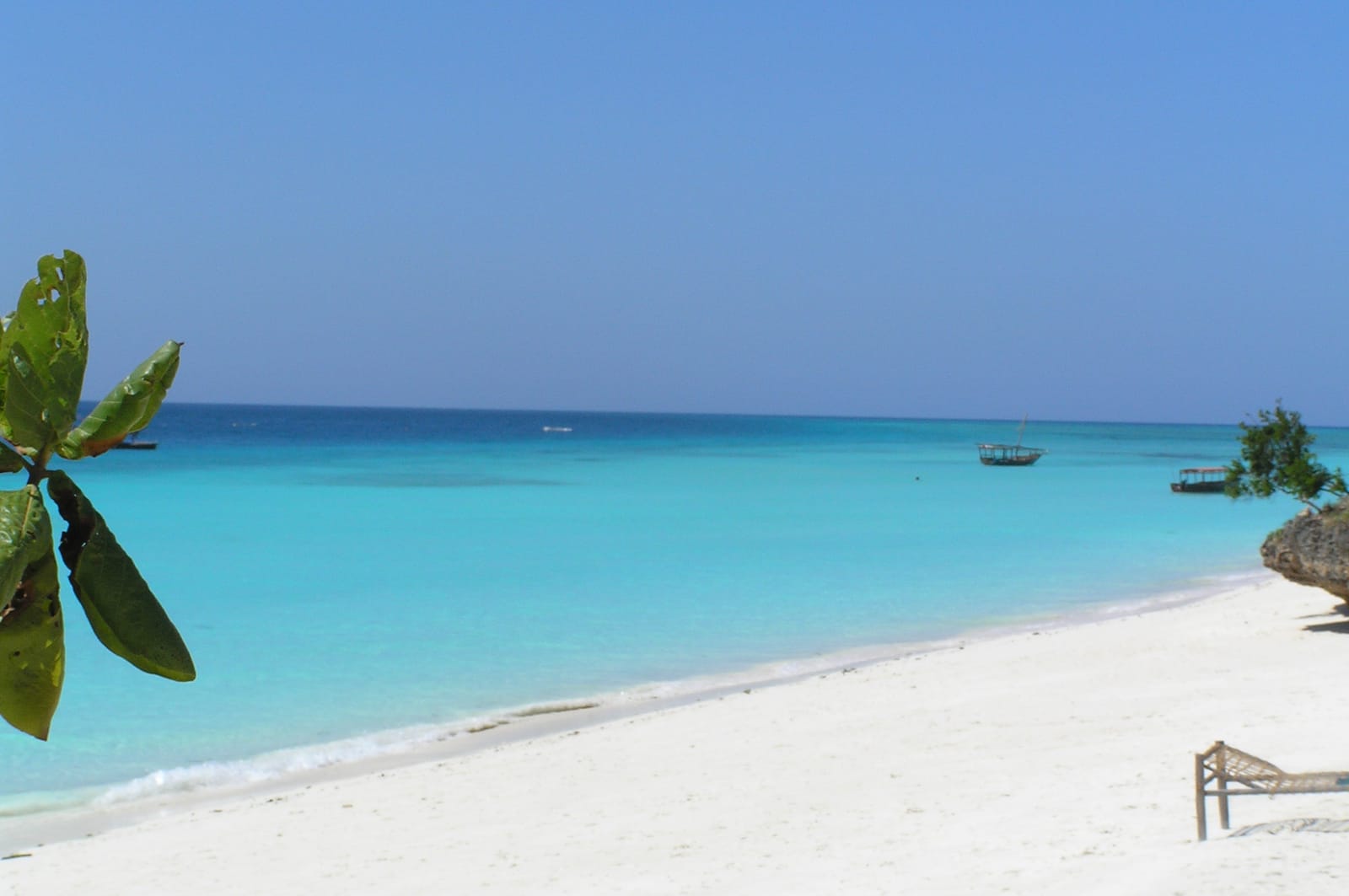
Turquoise water and white sand at Nungwi, northern Zanzibar

Things to see on Unguja

Nine places that between them cover the whole island — history, reefs, forest and the best of the coast.

Unguja is small: 85 km long, and you can drive from the northern tip to the southern beaches in a couple of hours. That means you can base yourself almost anywhere and still reach everything on this page as a day trip.

The places below are grouped by what they are for — history, beaches, reefs and forest — because that is how most people plan a Zanzibar week. Each one has a full guide with how to get there, when to go and which tours cover it.

History & heritage

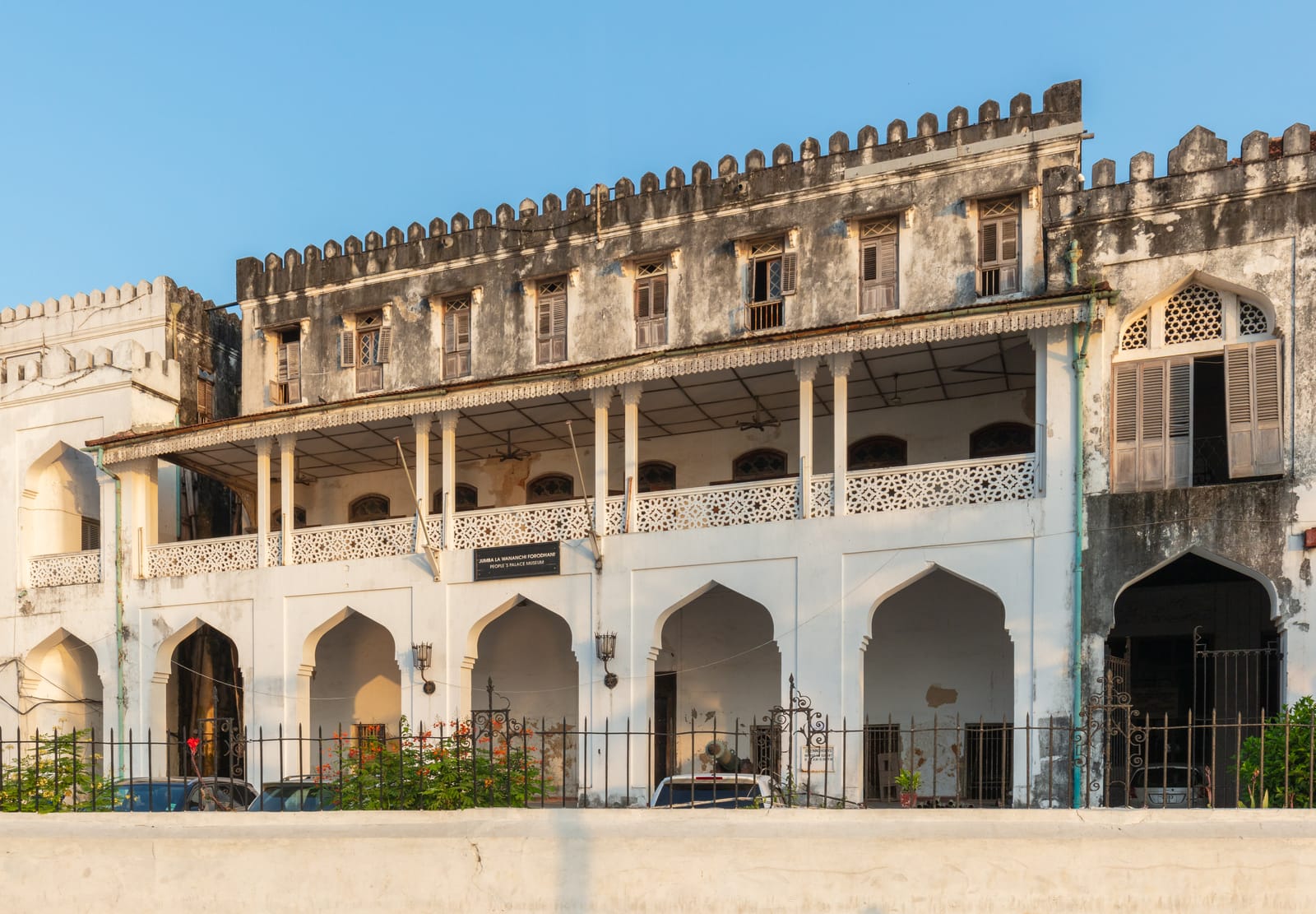
Ornate balconies and coral-stone facades in Stone Town, Zanzibar History & heritage

Stone Town

A UNESCO labyrinth of coral stone

The old quarter of Zanzibar City is a maze of coral-rag houses, carved doors and alleys too narrow for cars — a Swahili, Arab, Indian and European city that ran the Indian Ocean spice and slave trades. It is a UNESCO World Heritage Site and the cultural heart of the island.
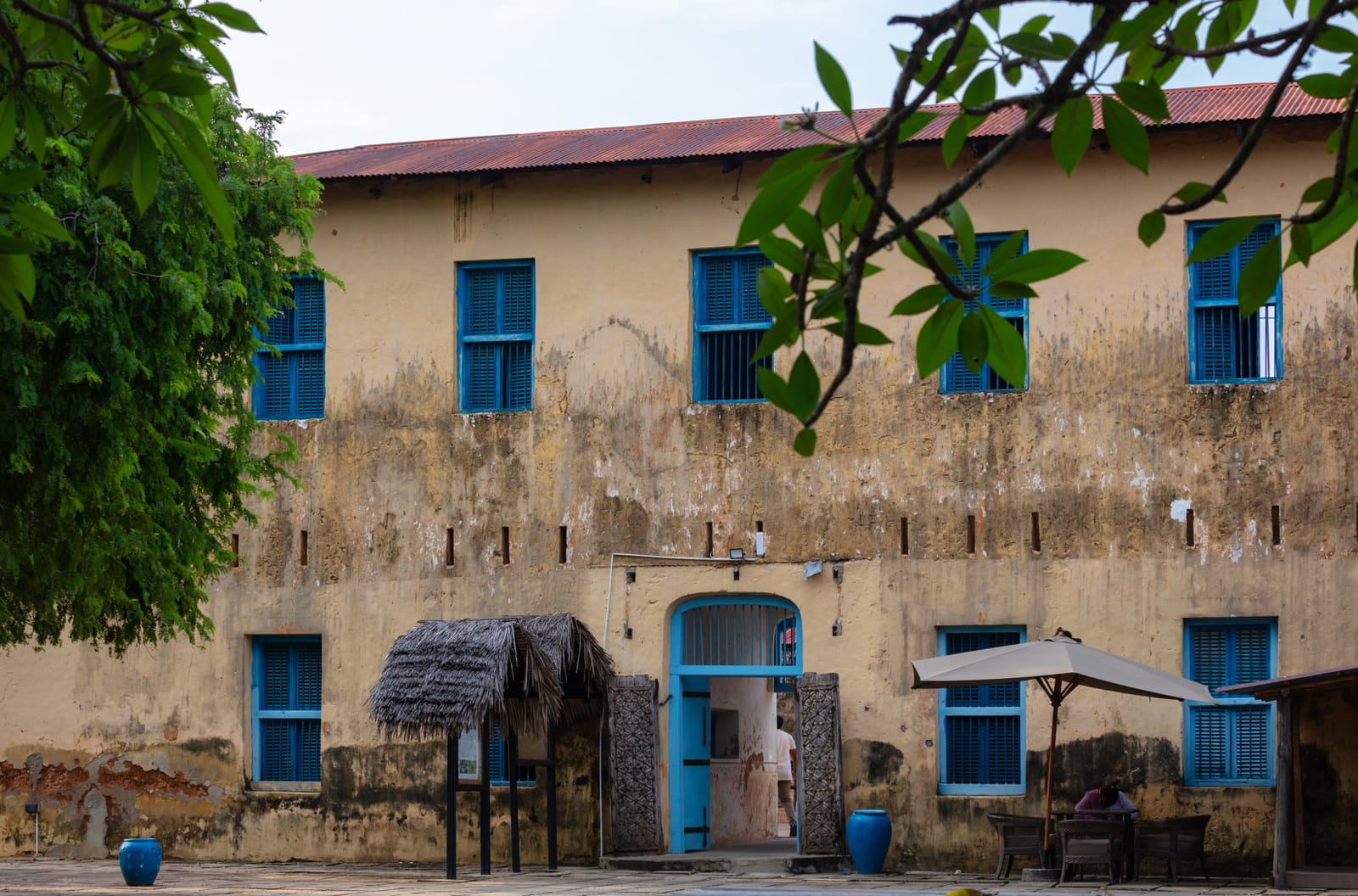
The old quarantine buildings on Changuu, Prison Island, Zanzibar History & heritage

Prison Island (Changuu)

Giant tortoises and a prison never used

A twenty-minute boat ride off Stone Town, Changuu was bought to hold enslaved people, rebuilt as a prison that never took a single inmate, and used instead as a yellow-fever quarantine station. Today it is home to a colony of Aldabra giant tortoises, some well over a century old.

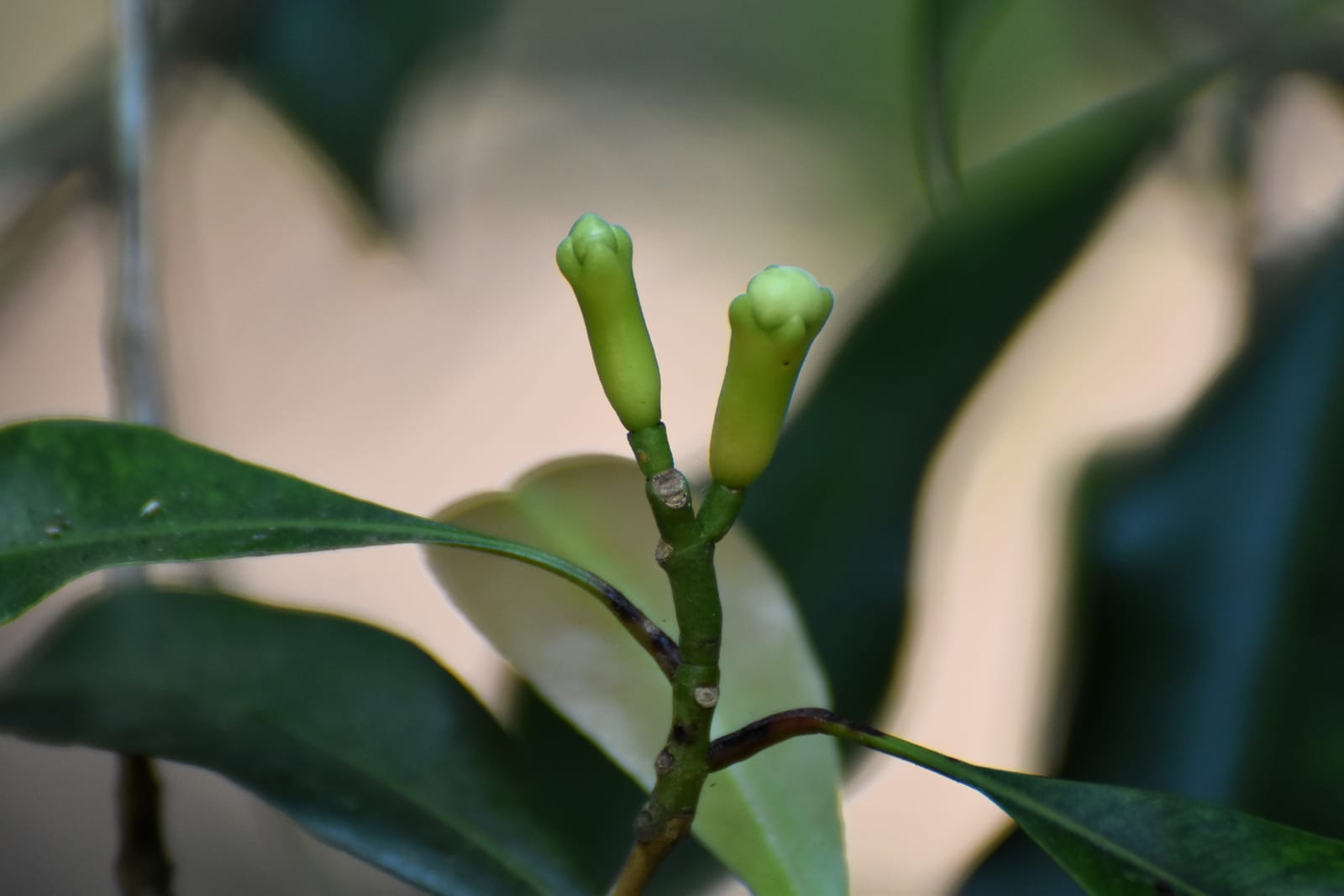
Clove buds ripening on a spice tree at a Zanzibar plantation History & heritage

Spice Farms

Why they call it the Spice Island

The plantations inland from Stone Town — around Kizimbani and Kindichi — are where cloves, nutmeg, cinnamon, vanilla, cardamom and black pepper still grow side by side. A spice tour is part botany lesson, part tasting, and the fastest way to understand why this small island mattered so much for so long.

Beaches & coast

Turquoise water and white sand at Nungwi beach, northern Zanzibar Beaches & coast

Nungwi & Kendwa

The beaches that never go out

At the northern tip of Unguja the tide barely moves, which means swimmable turquoise water all day — the one thing much of the east coast cannot offer. Nungwi is a working dhow-building village turned resort strip; Kendwa, twenty minutes south, is quieter sand and the island’s famous full-moon parties.

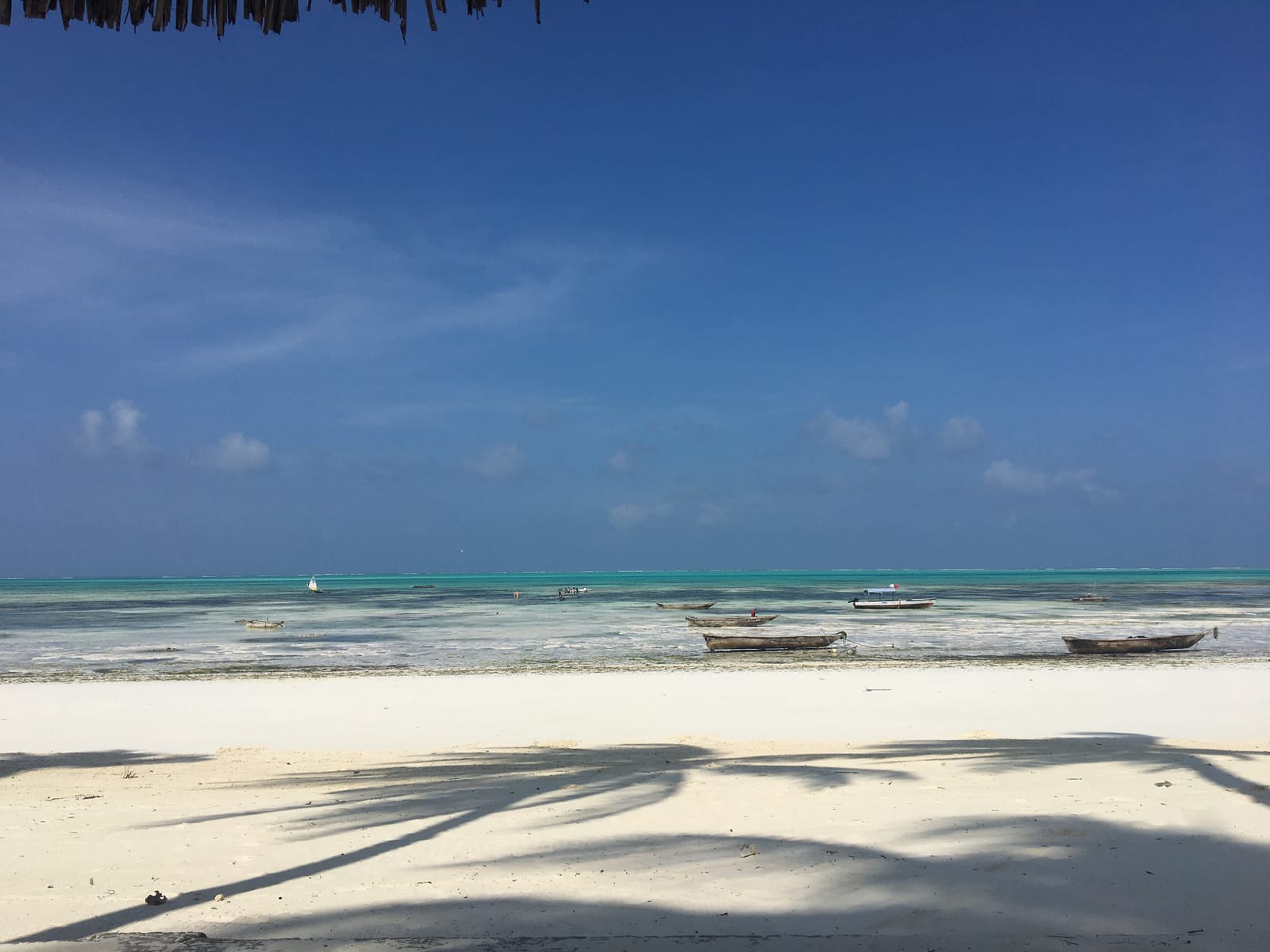
White sand, wooden boats and turquoise shallows at Jambiani, Zanzibar Beaches & coast

Paje & Jambiani

Kitesurf flats and seaweed farms

The south-east coast is a five-kilometre sweep of blinding white sand backed by palms, where the tide retreats a kilometre and leaves a shallow turquoise lagoon. Paje is East Africa’s kitesurfing capital; Jambiani, just south, is a strung-out fishing village where seaweed farmers still work the flats at low tide.

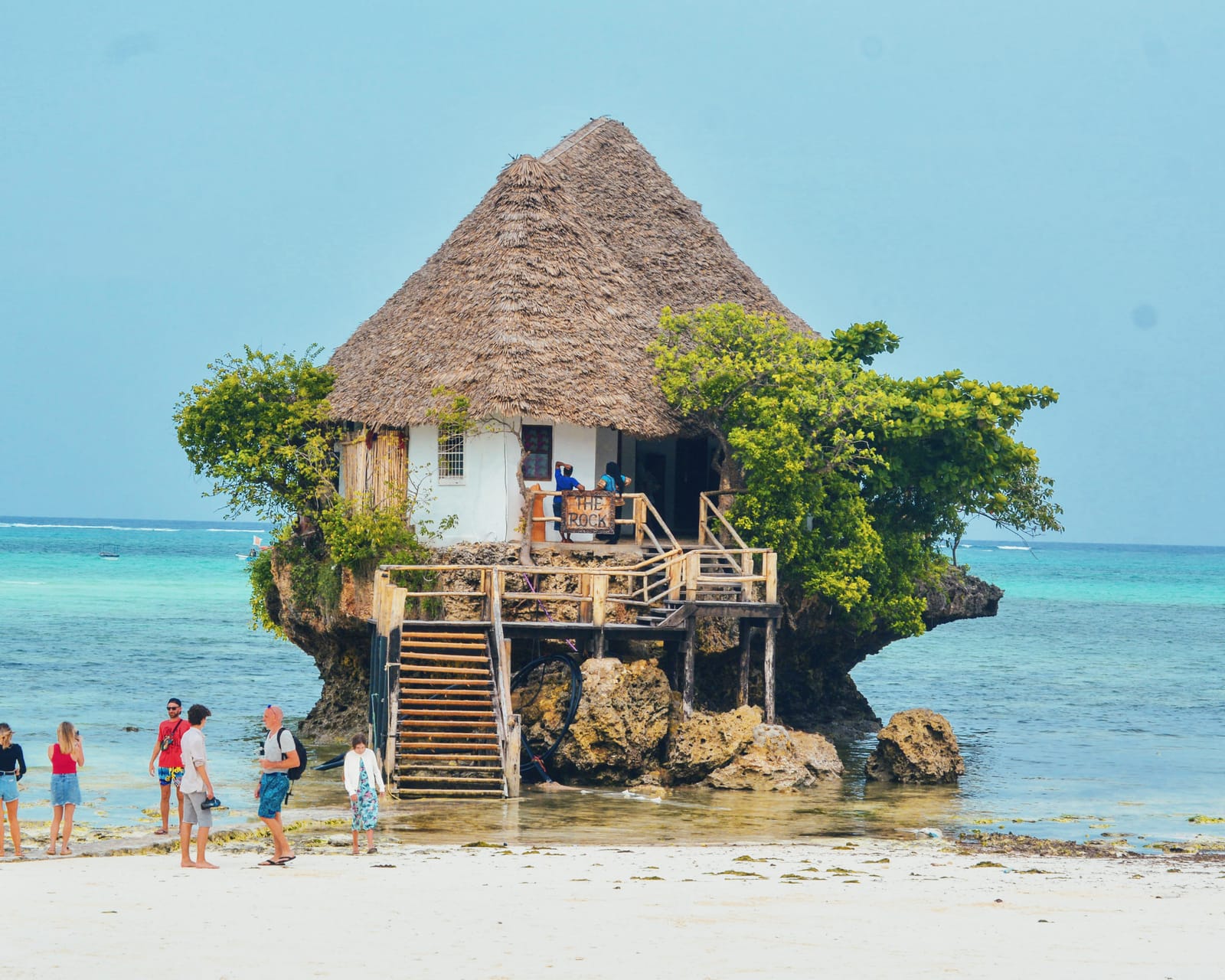
The Rock Restaurant standing on its coral outcrop off Michamvi, Zanzibar Beaches & coast

Michamvi & The Rock

The peninsula with two sunsets

The Michamvi peninsula curls back on itself so that its west-facing side, alone on the east coast, watches the sun set over water. Off Pingwe stands The Rock — a restaurant on a coral outcrop that you walk to at low tide and reach by boat at high tide, and probably the most photographed building in Zanzibar.

Reefs & islands

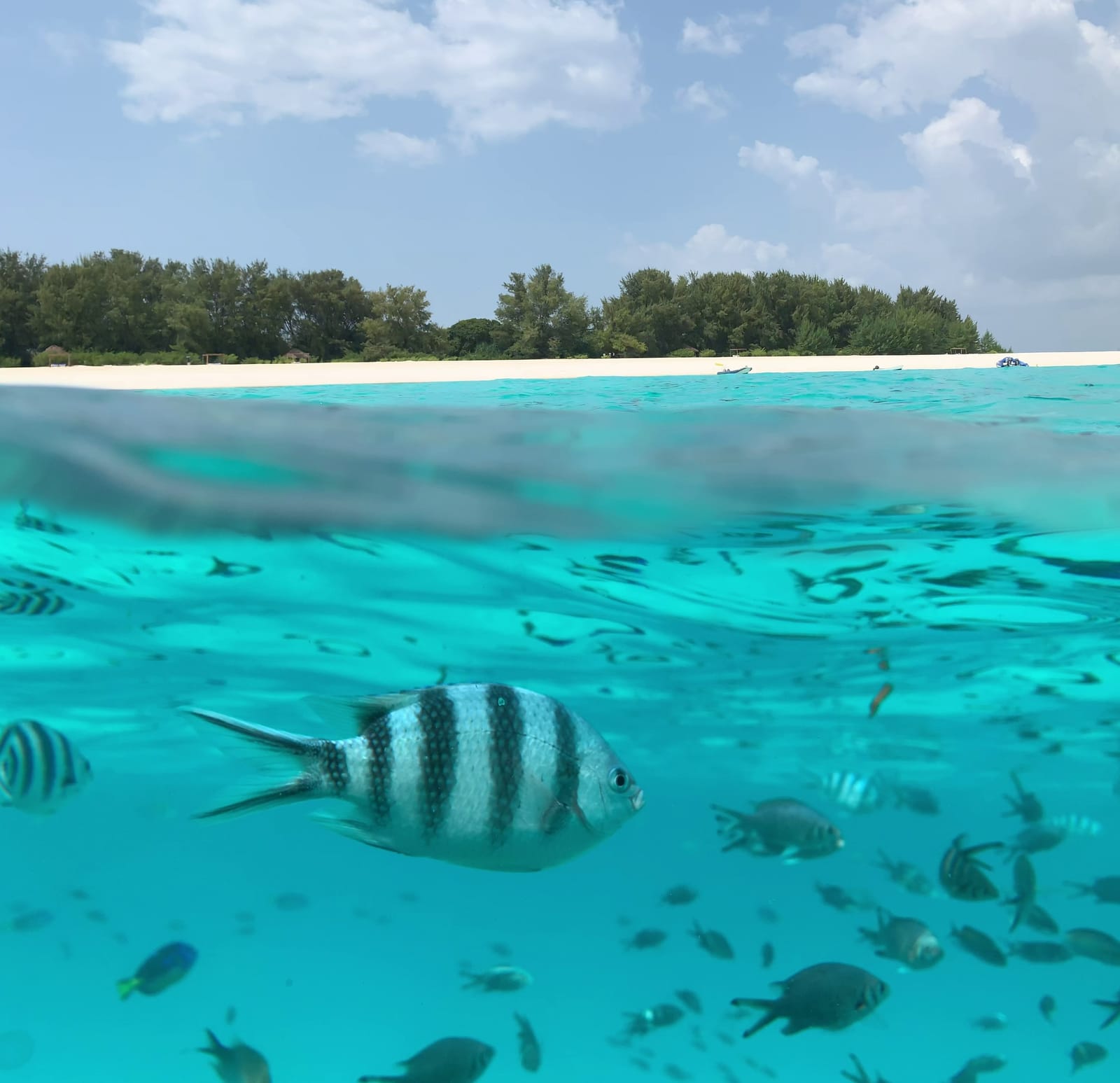
Shoals of reef fish over coral in the clear water of Mnemba Atoll Reefs & islands

Mnemba Atoll

The best reef in Zanzibar

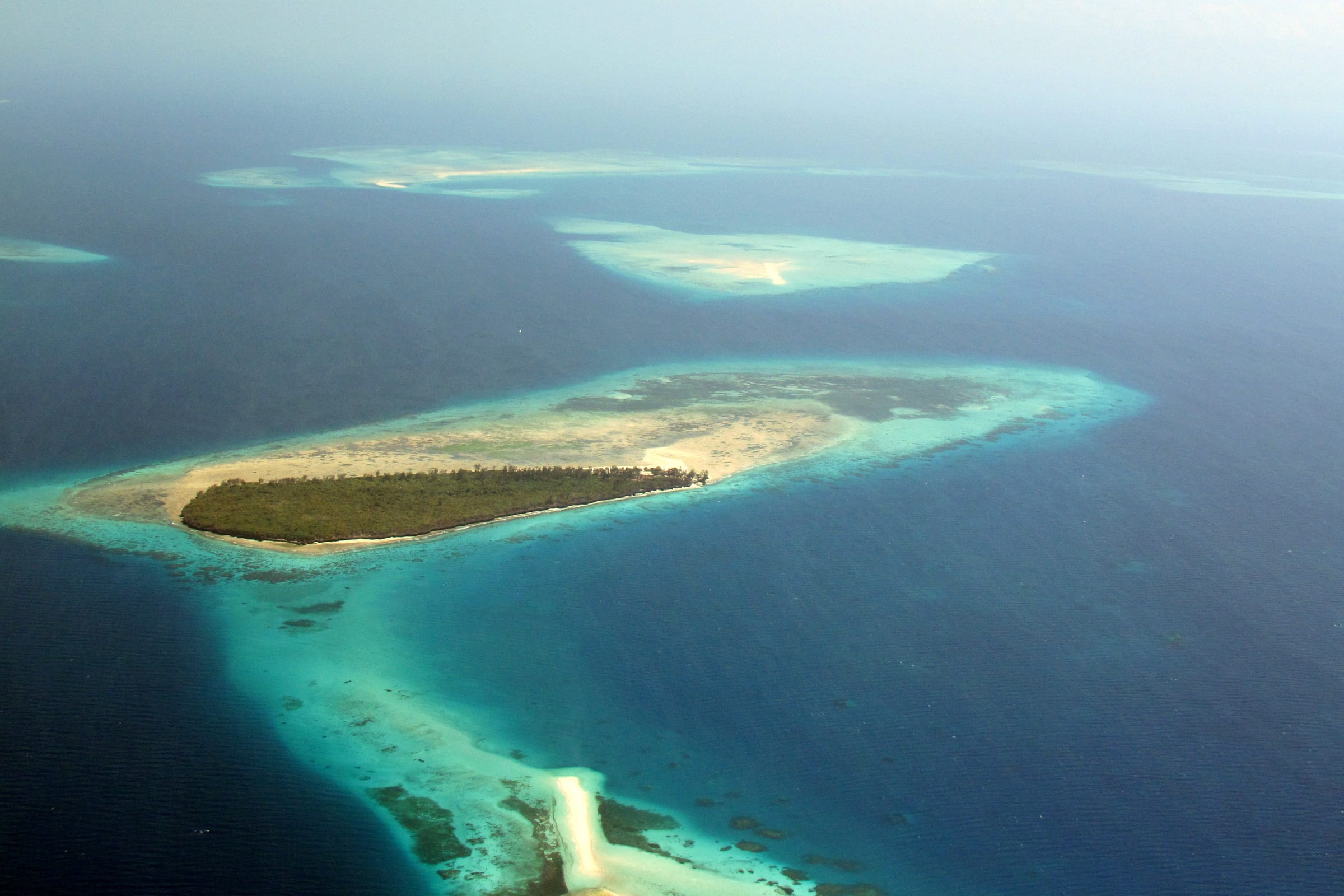
A tiny private island ringed by a protected coral atoll off the north-east coast. You cannot land on Mnemba itself, but the reef around it is the finest snorkelling and diving in Zanzibar — walls of butterflyfish, turtles, and a resident pod of dolphins in the channel.

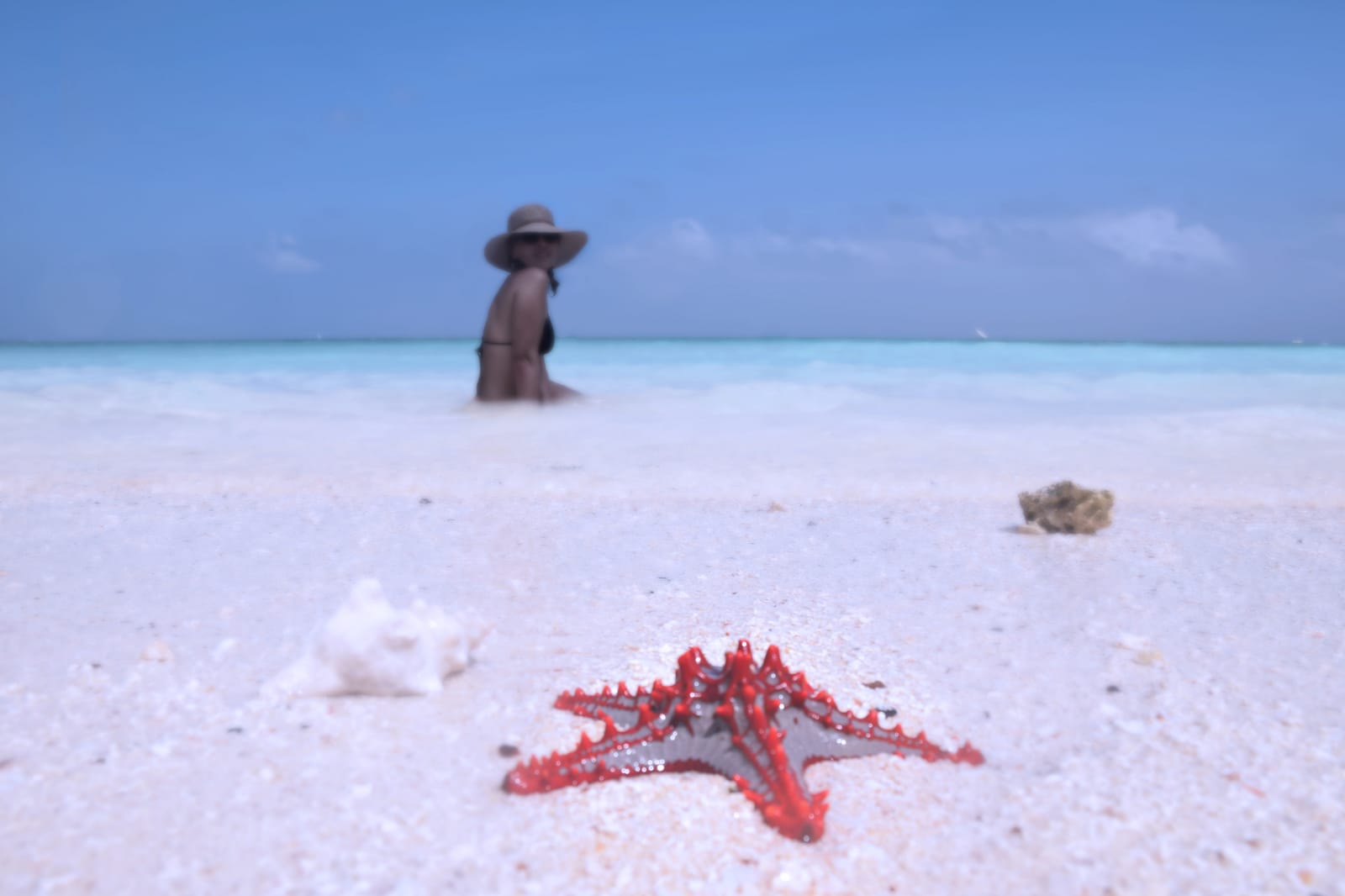
Red starfish in shallow water beside a white sandbank near Stone Town, Zanzibar Reefs & islands

Nakupenda Sandbank

A beach that exists twice a day

Nakupenda means “I love you” in Swahili, and the name belongs to a crescent of pure white sand that rises out of the sea off Stone Town at low tide and vanishes again as it comes in. Boats anchor there for a few hours of swimming, starfish spotting and grilled seafood served on the sand.

Forest & wildlife

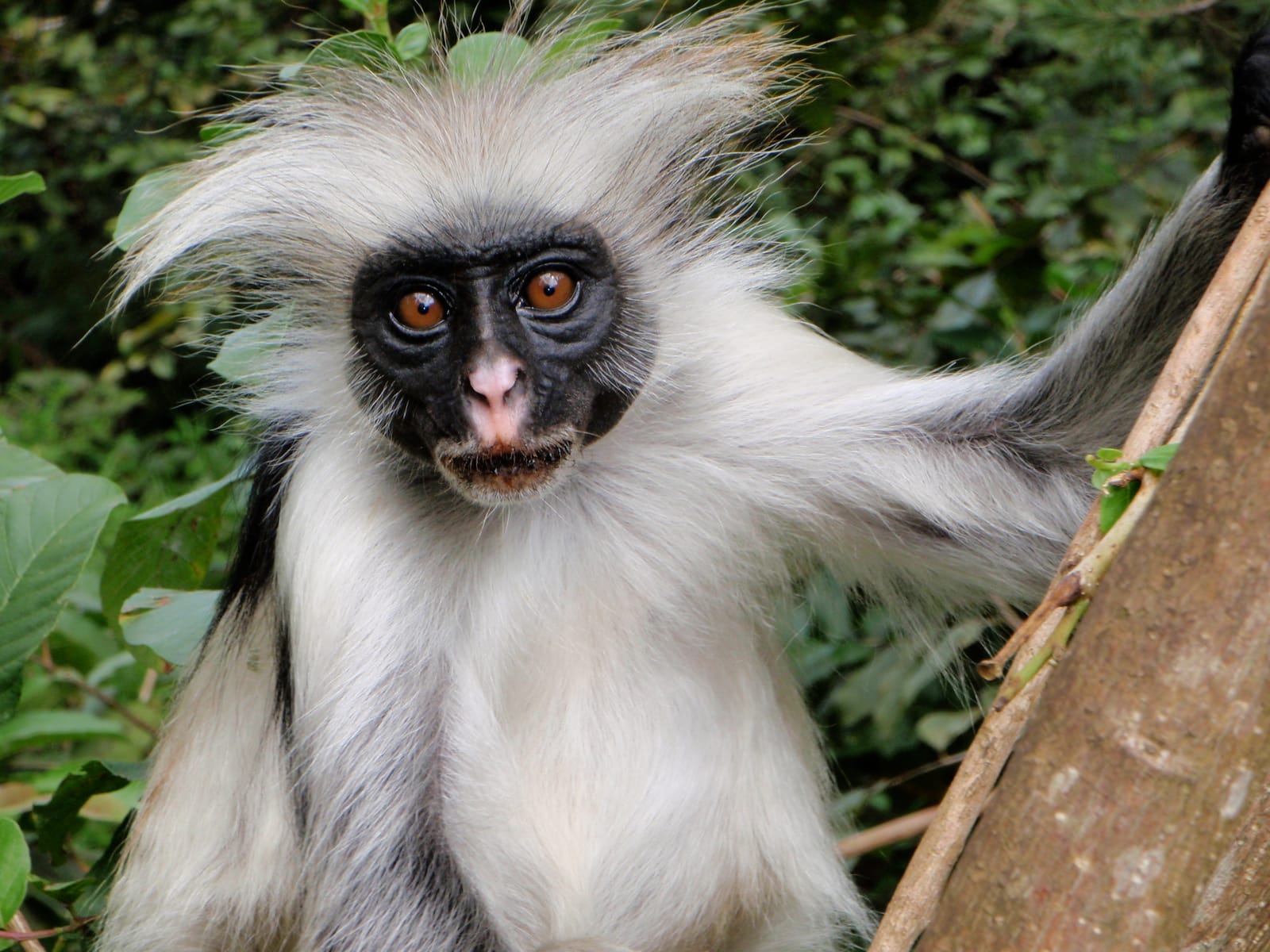
A Zanzibar red colobus monkey in the trees at Jozani Forest Forest & wildlife

Jozani Forest

The island’s last wild woodland

Jozani Chwaka Bay National Park is the only national park on Unguja and the last stronghold of the Zanzibar red colobus — a monkey found nowhere else on earth. Groundwater forest, towering mahogany and a mangrove boardwalk make it an easy, genuinely rewarding half day.

Plan your Zanzibar trip

Make Unguja the trip you talk about for years

Stone Town’s carved doors, the reefs of Mnemba, spice farms, Jozani’s red colobus and some of the finest beaches in the Indian Ocean. Compare tours, tickets and day trips and book in a couple of taps.