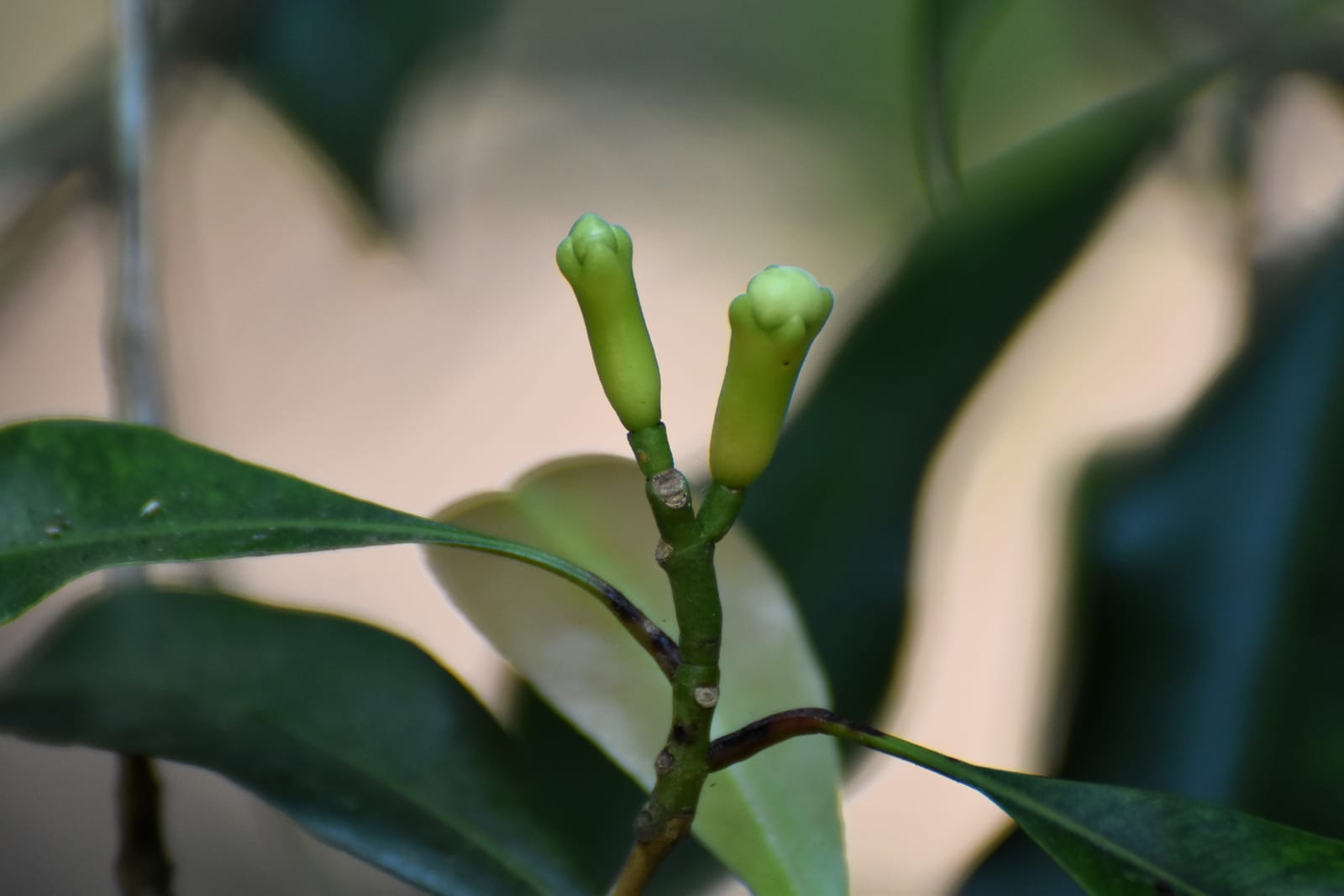
Zanzibar is called the Spice Island for a specific historical reason. In the 1830s the Omani sultan Seyyid Said moved his court from Muscat to Stone Town and turned the fertile centre of Unguja over to clove plantations, worked by enslaved labour. Within a generation the islands were producing the majority of the world’s cloves.
The plantations are still there, in the belt of red soil inland from Stone Town around Kizimbani, Kindichi and Dole. They are far smaller and less profitable than they were, and most now make their living partly from visitors, but they are working farms and everything you see and taste is growing where it grows.
A spice tour sounds like a tourist obligation and turns out to be one of the best hours on the island: a guide walks you between the trees, scratches bark, crushes leaves and cuts fruit, and hands you cinnamon, nutmeg, cardamom, turmeric, lemongrass, vanilla and black pepper to smell and taste in the order they grow.
Top things to do at Spice Farms
The walking tasting tour
Ninety minutes or so among the trees, smelling and tasting as you go. Good guides make it a story about trade and empire, not just a list of plants. Ask questions — they know far more than the standard patter suggests.
Tropical fruit tasting
Most farms end with a plate of whatever is ripe — jackfruit, custard apple, rambutan, passion fruit, tiny sweet bananas. Much of it will be new even to well-travelled eaters.
A Swahili lunch on the farm
Many tours include pilau or biryani cooked on site with the spices you have just been shown. It is usually the best-value meal of the trip and worth choosing an option that includes it.
Buy spices at the source
Farm shops sell vacuum-packed cloves, cinnamon bark, vanilla pods, cardamom and spice-oil soaps at a fraction of Stone Town prices — and, unlike the market, you have just watched them grow.
How to get to Spice Farms
- The main plantations are 30–45 minutes north-east of Stone Town by road. Every spice tour includes transfers from Stone Town, and most offer island-wide pickup for a supplement.
- Spice tours are routinely bundled with Stone Town and Prison Island in one full-day trip, which is the most efficient way to do all three.
- Independent visits are possible but awkward without a car; the farms are unsignposted and spread out.
Insider tips
- Wear closed shoes and long trousers — the ground is uneven and there are plenty of mosquitoes in the shade.
- A private tour costs very little more than a group one here and is much better; you can set the pace and actually talk to your guide.
- Buy vanilla and cloves at the farm rather than at Darajani market. Both quality and price tend to be better.
- The young men who weave palm-frond hats and ties for visitors work for tips. A dollar or two is the expected and fair thing.
Best tours & tickets for Spice Farms
These top-rated experiences are the easiest way to enjoy Spice Farms and its surroundings:
 Half-day cultural from $18
 Private Spice Farm Tour with a Local Guide
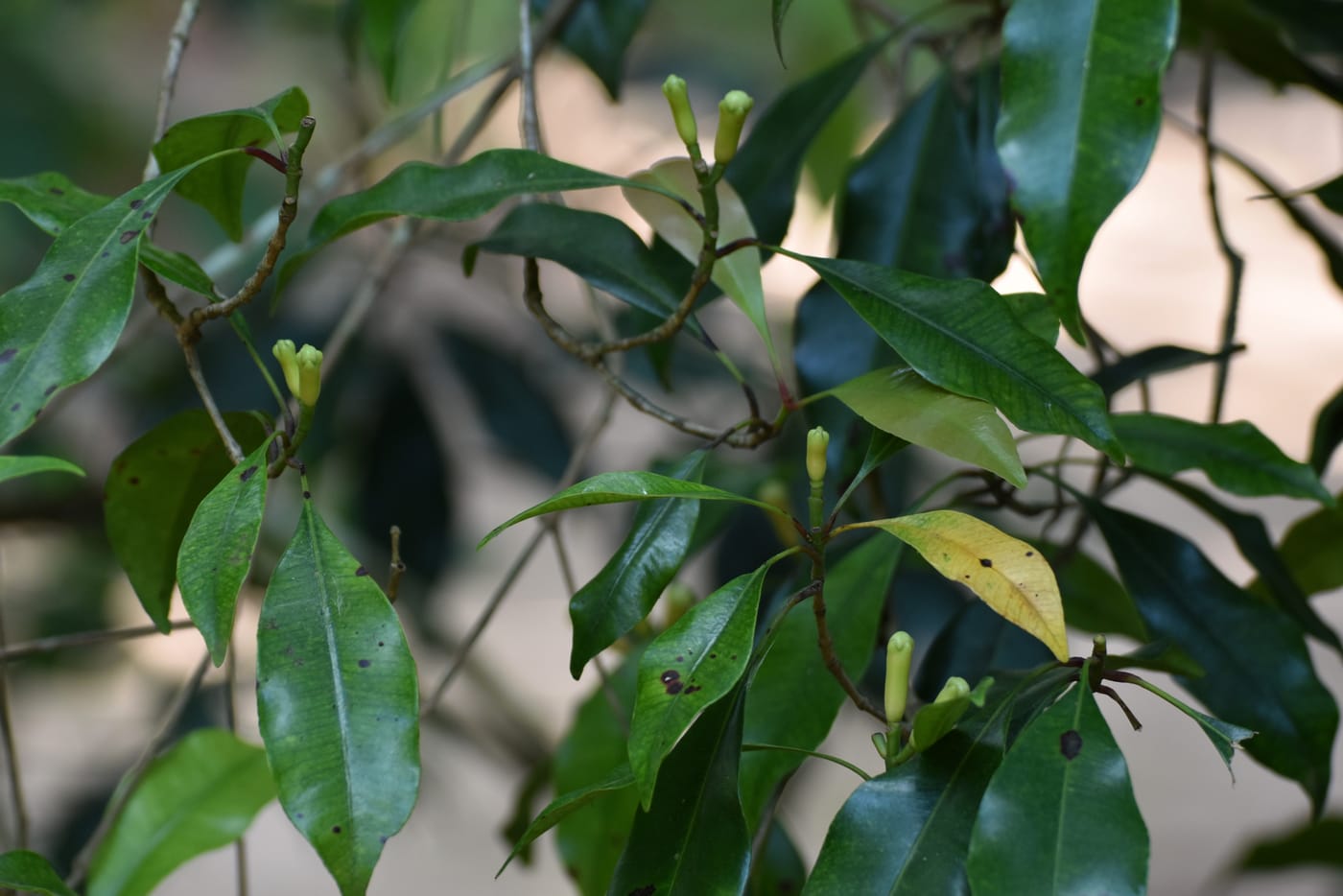
Zanzibar was the world’s clove capital, and the plantations inland from Stone Town still smell like it. A private guide walks you through the farm, crushing leaves and cutting fruit as you go. Superb value for the price.
- Cloves, nutmeg, vanilla, cinnamon and cardamom on the branch
- Taste tropical fruit picked in front of you
- Learn how spice built — and broke — Zanzibar’s economy
 Full-day classic from $55
 Stone Town, Spice Farm & Prison Island with Lunch
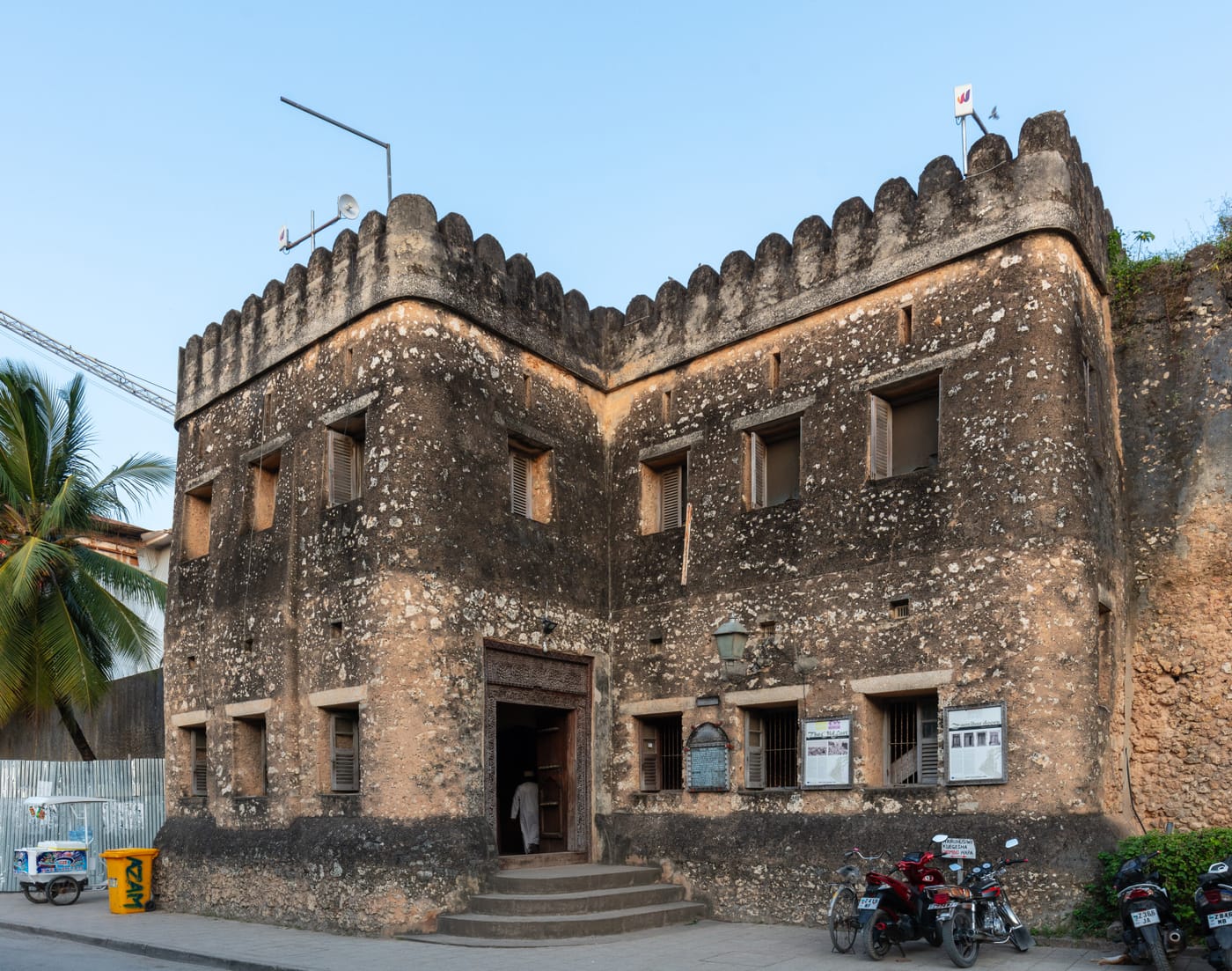
The single best first day in Zanzibar. You get the history of Stone Town, the spice farms that gave the island its name and the giant tortoises of Prison Island in one well-paced day, with a Swahili lunch in between.
- Guided walk through UNESCO-listed Stone Town
- Taste and smell spices straight off the plant
- Aldabra giant tortoises on Changuu (Prison Island)
Where to stay near Spice Farms
Compare hotels, guesthouses and beach resorts in this part of Unguja.
See hotels & prices →Spice Farms FAQs
Frequently asked questions
Is a spice tour worth doing?
Yes — it is consistently one of the highest-rated experiences on the island and one of the cheapest. Even travellers who expect a tourist trap tend to come away saying it was a highlight.
How long does a spice tour take?
Two to three hours including transfers for a standalone tour, or half a day if you add lunch. Combined Stone Town, spice and Prison Island trips run five to nine hours.
What spices actually grow in Zanzibar?
Cloves above all, plus nutmeg and mace, cinnamon, black pepper, cardamom, turmeric, ginger, vanilla, lemongrass and various medicinal plants — along with jackfruit, breadfruit and a long list of tropical fruit.