Getting your bearings
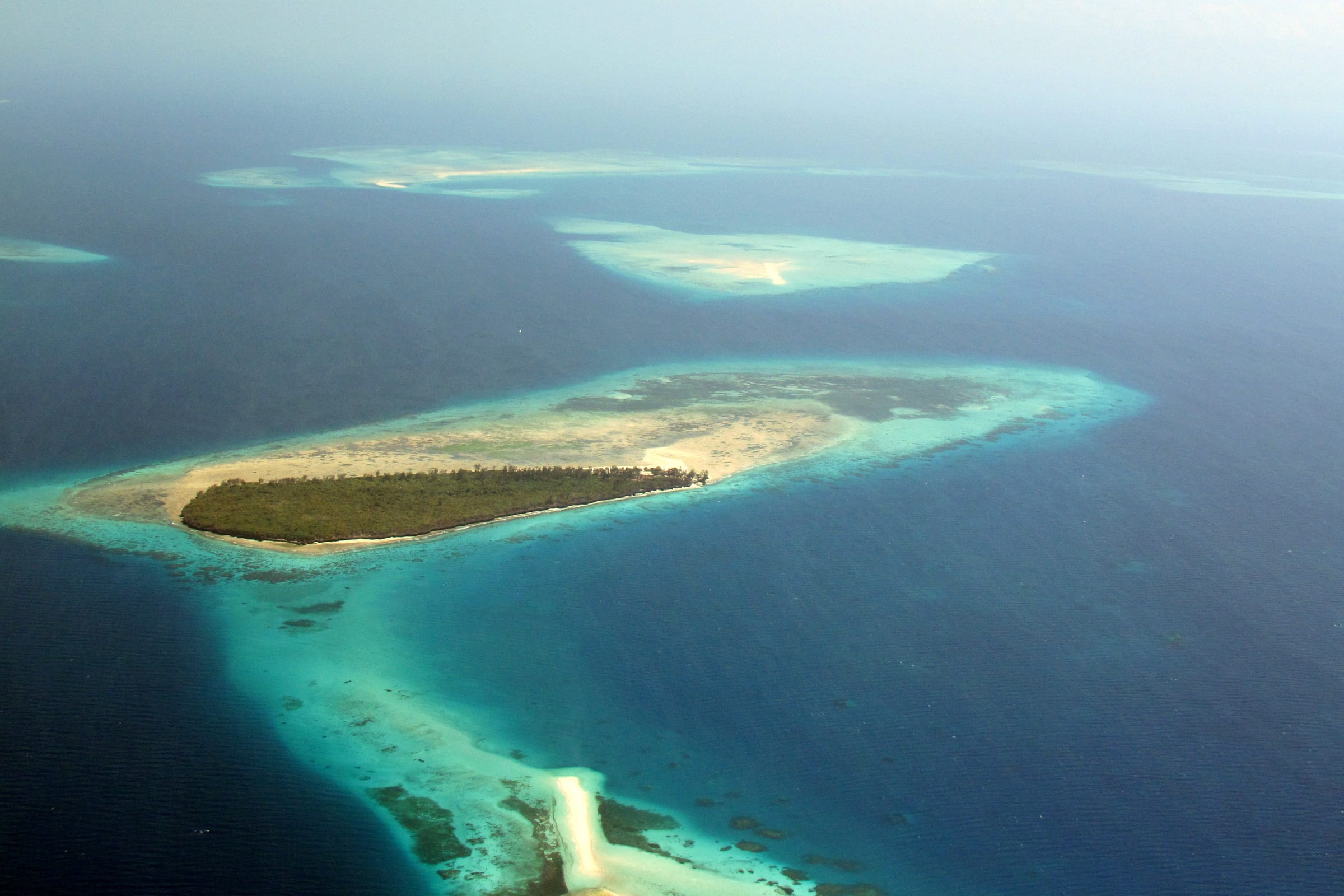
Zanzibar is a semi-autonomous part of Tanzania made up of two main islands — Unguja and Pemba — plus a scatter of smaller ones. Unguja is the island everyone means by “Zanzibar”: it holds Stone Town, the airport, the famous beaches and essentially all the tourism.
The island is about 85 km long and 30 km wide. Stone Town sits on the west coast, the airport is 10 minutes south of it, and the beach areas ring the north, east and south-east. Nothing is more than about two hours from anything else.
Everyone speaks Swahili; English is widely spoken in tourism. The population is around 99% Muslim, which shapes dress, alcohol, mealtimes and the atmosphere during Ramadan.
How long to stay, and a week that works
Seven to ten days is ideal. Five is workable. Anything under four and you will spend a disproportionate share of it in transfers.
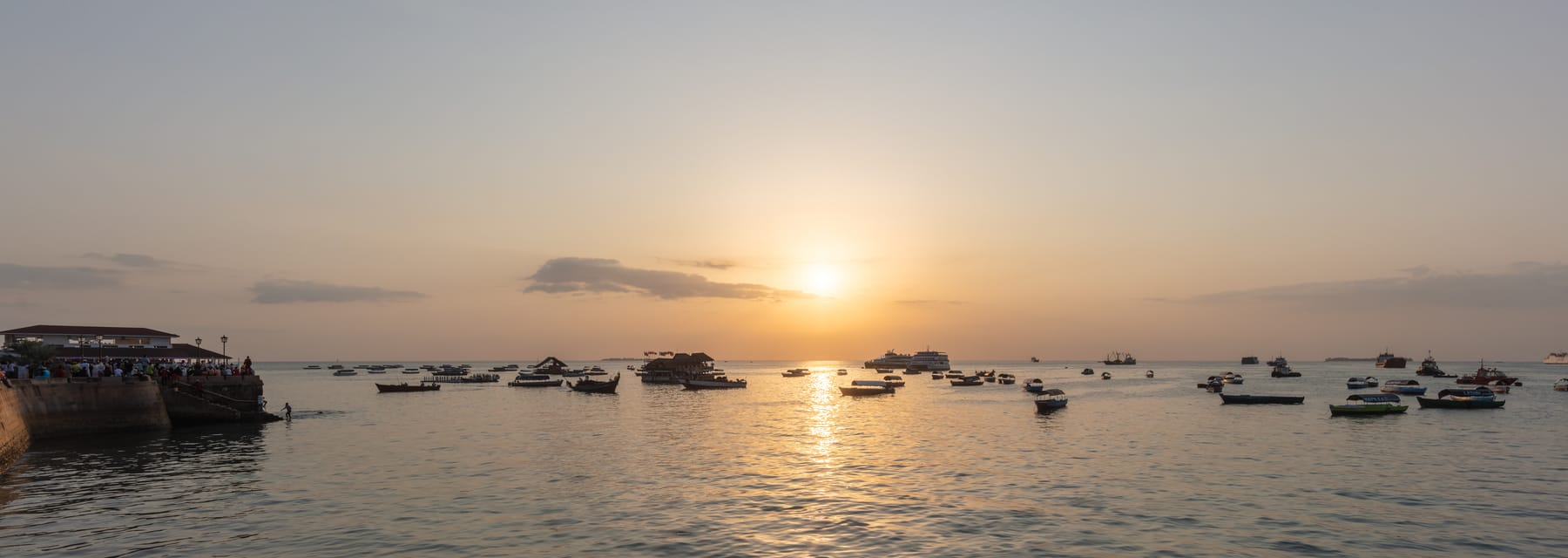
A good seven days: Day 1 — arrive, transfer to Stone Town, sunset on a rooftop and dinner at Forodhani night market. Day 2 — guided Stone Town walk in the morning, the former slave market and museums in the afternoon. Day 3 — the classic Stone Town, spice farm and Prison Island day, then transfer to a beach. Day 4 — do nothing at all. Day 5 — Mnemba snorkelling or Safari Blue, depending on which coast you chose. Day 6 — Jozani Forest and the east coast, or a quad tour inland. Day 7 — beach, sunset dhow cruise, fly home.
If you have ten days, add two nights on the opposite coast rather than more day trips. Unguja’s north and east feel like different islands.
Visas, money and connectivity
Visas. Most nationalities need a visa for Tanzania. The e-visa is applied for online in advance and is the smoother route; visa on arrival is also available at Zanzibar airport for many passports but means queueing. Check the current requirements for your passport well before you fly — rules change.
Insurance. Tanzania requires inbound travellers to hold a mandatory health insurance policy purchased through the official scheme. Budget for it and buy it before you travel.
Money. The currency is the Tanzanian shilling (TZS), but US dollars are accepted almost everywhere in tourism. Bring newer, undamaged dollar notes; older series are often refused. ATMs are plentiful in Stone Town, thin on the east coast and unreliable everywhere, so carry cash to the beaches. Cards work at larger hotels and restaurants, usually with a fee.
SIM cards. Buy a local SIM at the airport or in Stone Town — Airtel, Vodacom and Halotel all work. Data is cheap and coverage across the island is good. You will need your passport to register.
What to wear, and local etiquette
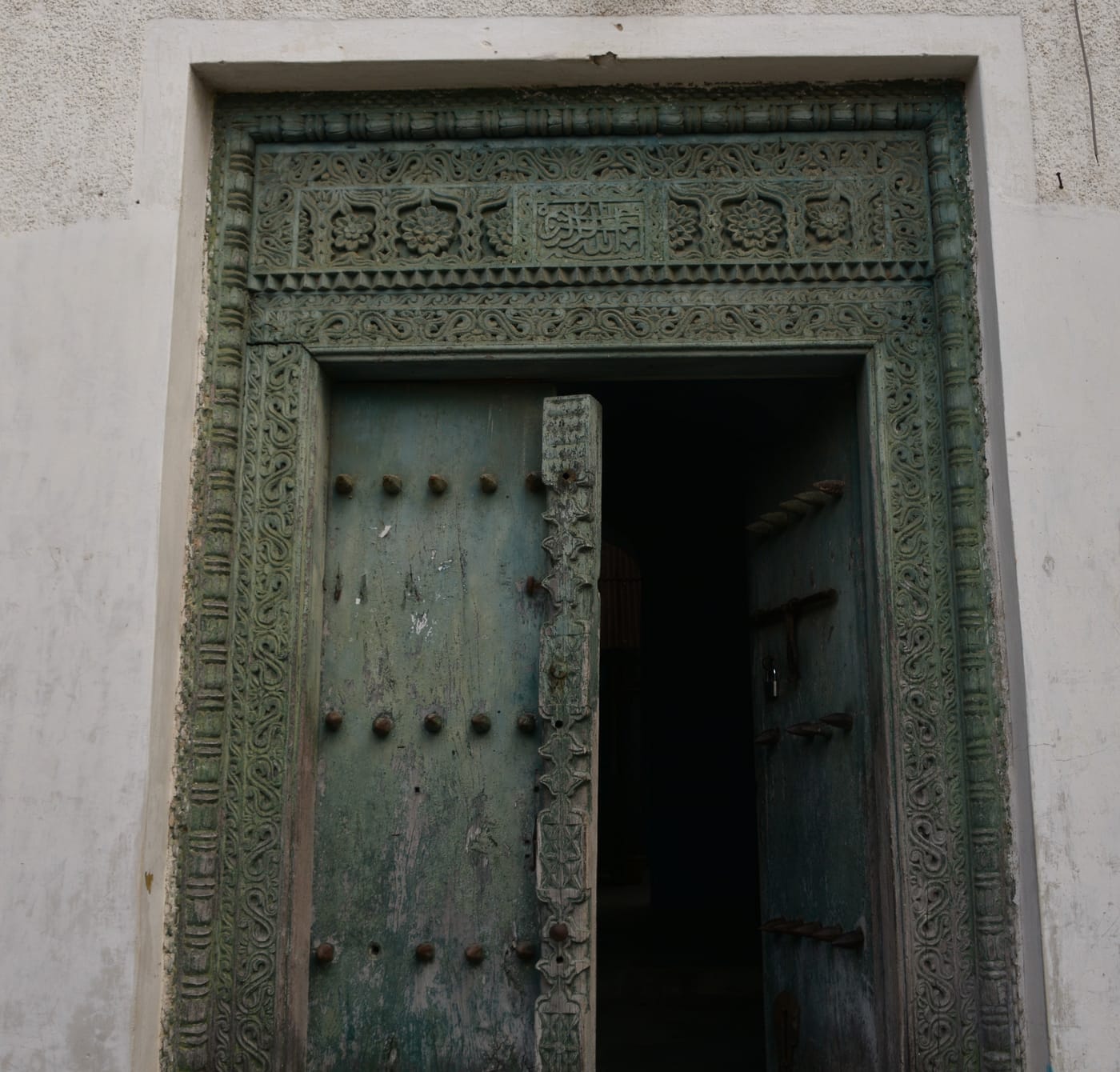
On the beach and inside your hotel grounds, normal beachwear is fine. Everywhere else it is not. Zanzibar is a conservative Muslim society and covering shoulders and knees away from the beach is both expected and appreciated. A light scarf or sarong is the single most useful thing to pack.
Swimwear is for the beach only — walking through a village or into a shop in a bikini reads as genuinely rude, not merely eccentric. Men should wear a shirt away from the sand.
Always ask before photographing people, especially women. Use your right hand for greetings and for handing anything over. And learn two words: jambo (hello) and asante (thank you). They go a long way.
Ramadan changes daily rhythms substantially — many restaurants close during daylight and the island comes alive after sunset. It is a fascinating time to visit, but check the dates if eating out matters to you.
What to eat
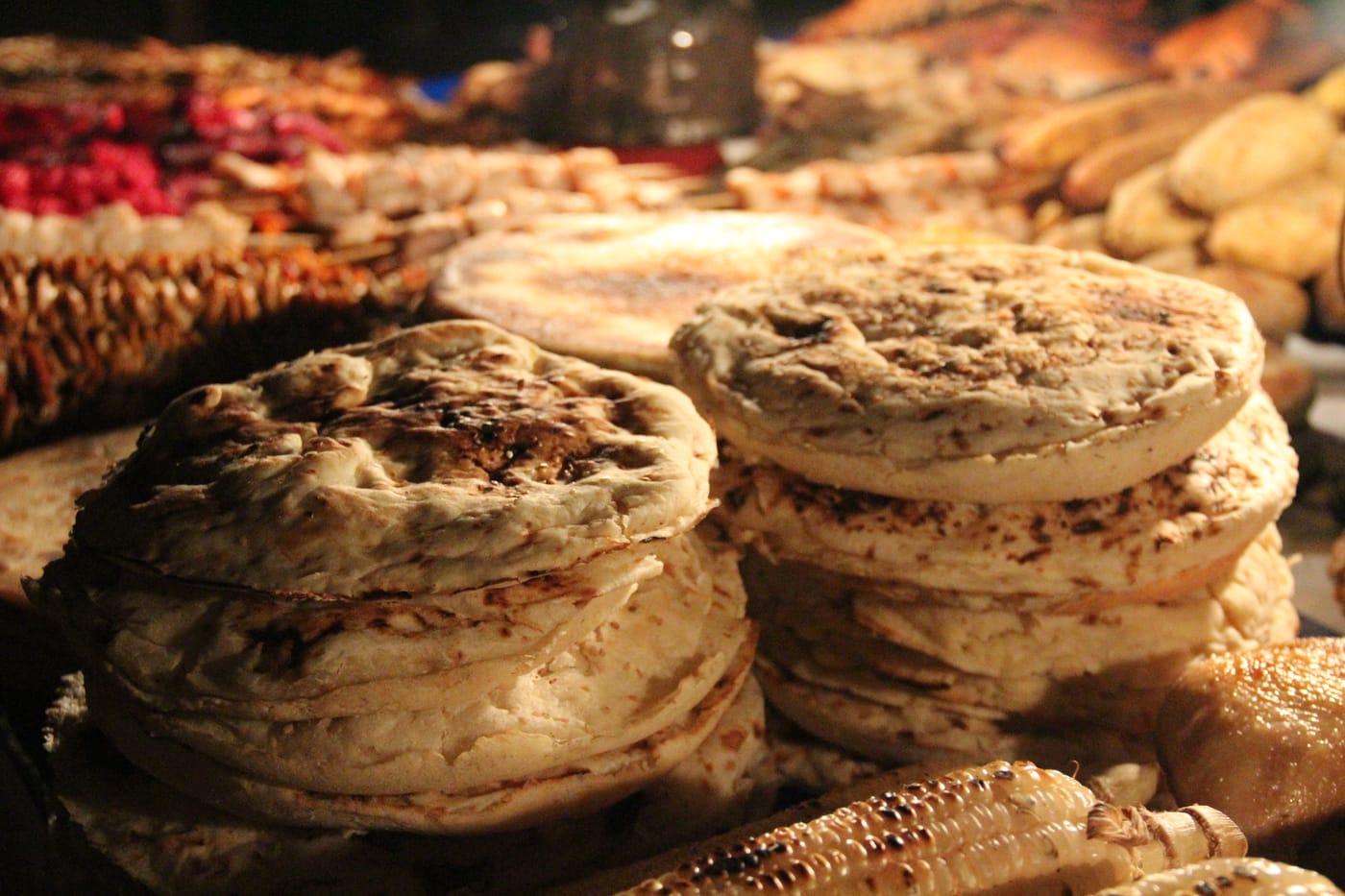
Zanzibari food is Swahili cooking with a thousand years of Indian Ocean trade folded in — coconut, cardamom, cloves, tamarind and chilli, applied mostly to seafood and rice.
Look for pilau and biryani (spiced rice, the island’s Sunday best), urojo (the tangy “Zanzibar mix” soup), grilled octopus, mishkaki skewers, coconut-and-cassava curries and mandazi for breakfast. The famous “Zanzibar pizza” at Forodhani is a stuffed, fried pancake and is much better than it sounds.
Fruit is exceptional: jackfruit, custard apple, rambutan, passion fruit and tiny sweet bananas. Drink fresh sugarcane juice pressed in front of you and tangawizi ginger tea.
Alcohol is served freely in hotels, beach bars and tourist restaurants but is not part of daily life outside them. Tap water is not safe to drink — use bottled or filtered water, and skip ice in the most basic places.
Health and safety
Malaria is present on Unguja, though prevalence is far lower than on the mainland. Take medical advice on prophylaxis before you travel, use repellent at dusk and dawn, and sleep under a net.
Yellow fever. A certificate is required if you are arriving from, or have transited through, a country with a risk of transmission. Coming directly from Europe or North America you will not normally need one — but check, and carry the certificate if you have it.
The sun is the danger most people underestimate. You are six degrees south of the equator; midday sun burns in twenty minutes. Rash vests beat repeated sunscreen, and reef-safe sunscreen matters over coral.
Crime against visitors is uncommon but petty theft happens. Do not walk on unlit beaches alone at night, keep phones out of sight in crowds, and use the hotel safe.
In the water, watch for sea urchins on the flats — reef shoes solve it — and take local advice about currents. There are no lifeguards.
Getting around Unguja
Private transfers are how most visitors move between Stone Town, the airport and the beaches. Reckon on $35–$60 depending on distance; agree the price before departure. Your hotel will arrange one.
Dala-dalas — converted minibuses and trucks — run fixed routes for a dollar or two. Slow, crowded, hot and completely authentic. Route 116 goes to Nungwi, 324 to Paje and Jambiani, 326 to Makunduchi via Jozani.
Taxis have no meters. Agree the fare first, always. Short hops in Stone Town are a few dollars.
Pikipiki (motorbike taxis) and tuk-tuks are cheap and fine for short local trips. Helmets are rare; use your judgement.
Renting a car or scooter requires a Zanzibar permit, obtainable through the rental company. Roads are decent on the main routes and unlit at night; driving is on the left.
What to pack
Reef shoes (genuinely essential on the east coast), a rash vest, high-factor reef-safe sunscreen, a hat and a dry bag for boat days.
Light, loose, covering clothes for town — linen shirts, long shorts or trousers, and a scarf or sarong that doubles as a beach towel and a head covering.
A universal adapter for UK-style Type G sockets (230V), a torch or head-lamp for power cuts, insect repellent with DEET, and rehydration salts.
Small US dollar notes for park fees and tips, plus a card as backup. And leave room: the spices, kanga cloth and vanilla are worth taking home.